
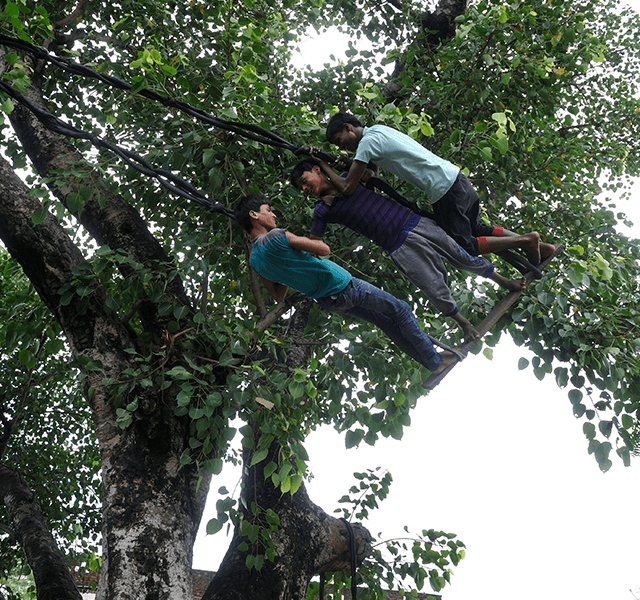
With technical support from UP TSU, Uttar Pradesh’s ICDS Department strengthened HR systems through e-HRMS and digitised recruitment and promotion processes. More than 6,200 staff were registered on e-HRMS, while merit-based online portals streamlined recruitment, promotions and vacancy management. Overall, vacancy rates declined from 59% to 33% for CDPOs, 46% to 37% for Mukhya Sevikas, and 9% to 4% for AWWs.
Read More
This brief presents IHAT’s GenEqual Fellowship Programme, which aims to strengthen the leadership of Young Key Populations (YKP) in shaping gender-responsive and lateralised HIV interventions in Delhi NCR. It outlines the programme’s objectives, strategic approaches, operational and governance structures, Theory of Change, and approach to learning and evaluation. It has profiles of the Fellows representing diverse YKPs.
Read More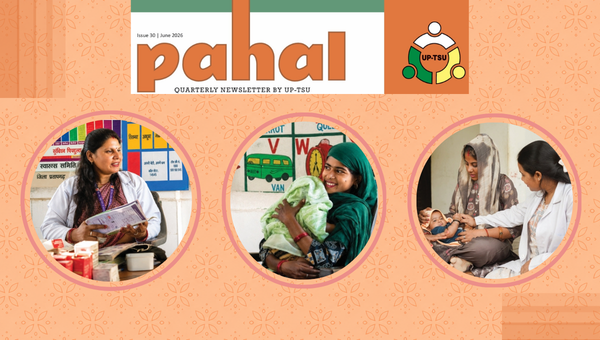
The 30th issue of PAHAL highlights UP TSU’s support to the Government of Uttar Pradesh through the rollout of Ferric Carboxymaltose for maternal anaemia, digital platforms such as eHRMS and eUpkaran, improved newborn referral systems, family planning innovations, and district-led initiatives in nutrition, tuberculosis and community care, strengthening service delivery and health outcomes across the State.
Read More
Uttar Pradesh’s ANM rationalization initiative demonstrates how e-HRMS workforce data can support more equitable deployment of frontline health workers across the public health system. Undertaken with technical support from UP TSU, the exercise identified deployment gaps, redeployed ANMs to priority sub- centres, substantially reduced vacancies, and strengthened last-mile maternal and child health service availability through data-informed human resource planning and accountability at scale.
Read More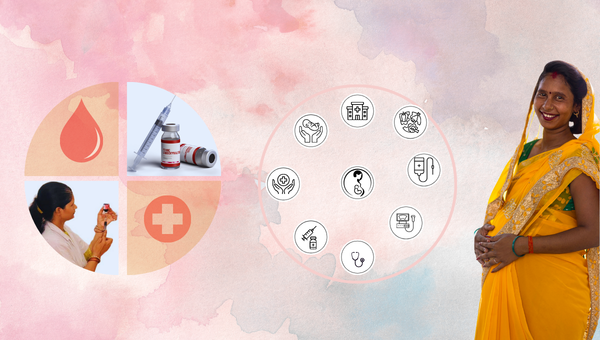
This knowledge brief documents the rollout of Ferric Carboxymaltose (FCM) for maternal anaemia management in Uttar Pradesh. It highlights the rationale for adopting FCM and its advantages as a single-dose intravenous iron therapy for improving maternal anaemia management. The brief also outlines efforts by the Uttar Pradesh Technical Support Unit and the State Government to support standardised implementation, procurement, and scale-up across public health facilities.
Read More